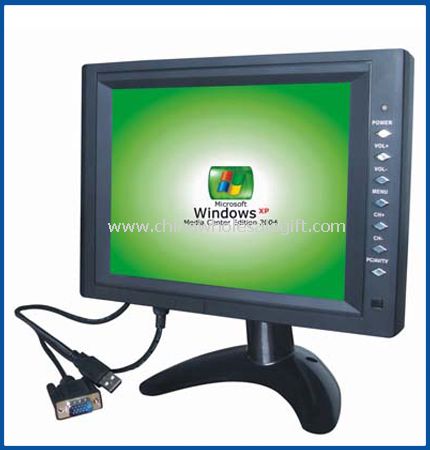
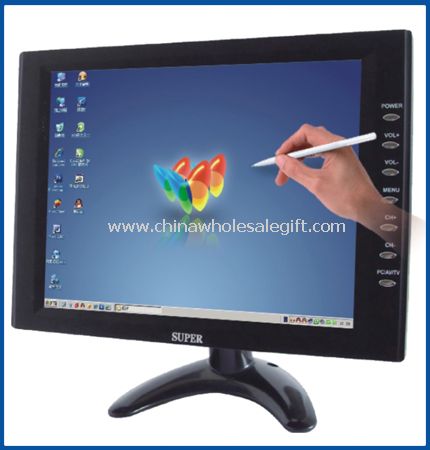
Touch Monitor
A touch monitor turns a countertop, kiosk, or trade show booth into a surface people can actually press. Instead of pointing at a screen, a visitor taps a menu, signs a form, or pulls up a product video with a fingertip. The display pairs a flat panel with a touch sensor layer, so the whole unit works as one input device rather than a screen plus a separate mouse.
These mid range models suit buyers who need a reliable interactive display without stepping into specialty industrial hardware. Promotional suppliers often pair them with a tft lcd monitor lineup, letting a client choose a passive screen for signage and an interactive version for a registration desk. The build typically combines a glass front, an internal sensor grid, and a metal or molded housing that stands up to daily public handling.
Wholesale buyers should check the touch technology, the active area, and how the panel connects to a host device before committing to volume. Ask whether the sensor handles bare fingers, gloved hands, or a stylus, and confirm the viewing angles and brightness under bright lighting. A distributor comparing this category with a baby monitor or blood pressure monitor will notice the contrast in duty cycle and mounting needs.
End users range from reception staff running check-in queues to retail teams showing catalogs and event crews collecting feedback. In a car showroom or at a hotel desk, the display becomes a self-service point that frees staff for other work. Schools and clinics favor units that respond to a light press and stay readable from several feet away.
Practical sourcing checks include the housing finish, cable routing, and whether the stand offers tilt or wall mounting. Request a working sample and test the touch response at the edges, not just the center. Buyers should also confirm how the display is organized for shipping and whether spare power supplies are available for a long deployment.
2 products