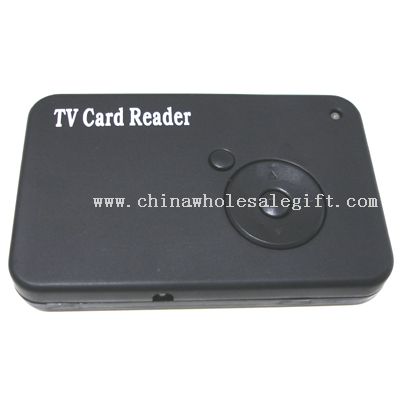
TV Card Reader
A television card reader is a compact adapter that lets a computer accept the memory cards pulled from a set-top box, a digital television, or a camcorder after a recording session. It sits on the same shelf as the SD MMC card reader and the T flash micro SD card reader, but it is aimed at broadcast and home-entertainment cards rather than the cards in a phone or camera.
The hardware centers on a slot sized for the television card format and a bridge chip that presents the card to the host over a standard computer bus. Housings are usually molded plastic or brushed aluminum, with a short cable or a direct plug body. Because these cards often travel between a living-room device and a desk, buyers look closely at shell fit, slot alignment, and how firmly a card seats.
Promotional suppliers favor this piece for technology-themed campaigns, while distributors stock it beside the internal card reader and the mini card reader to round out a computer hardware accessories range. End users are typically people who record programs and want the footage on a laptop for editing, archiving, or sharing, and who would rather not buy a dedicated set-top box drive.
Practical sourcing checks matter more here than on commodity readers. Confirm the supported card variants with the factory, ask for the bridge chipset family, and test sample units across several operating systems. Inspect solder joints at the slot, verify that the connector tolerates repeated insertion, and check that the housing does not flex enough to misalign the card guide.
Packaging should state the supported card types plainly and include a short setup note, since many buyers are not technically inclined. Keep a spare unit in the assortment for returns handling, and compare slot depth against the cards your market actually uses. A well-documented, firmly built reader earns repeat orders from both promotional buyers and the households that keep recording.
1 products