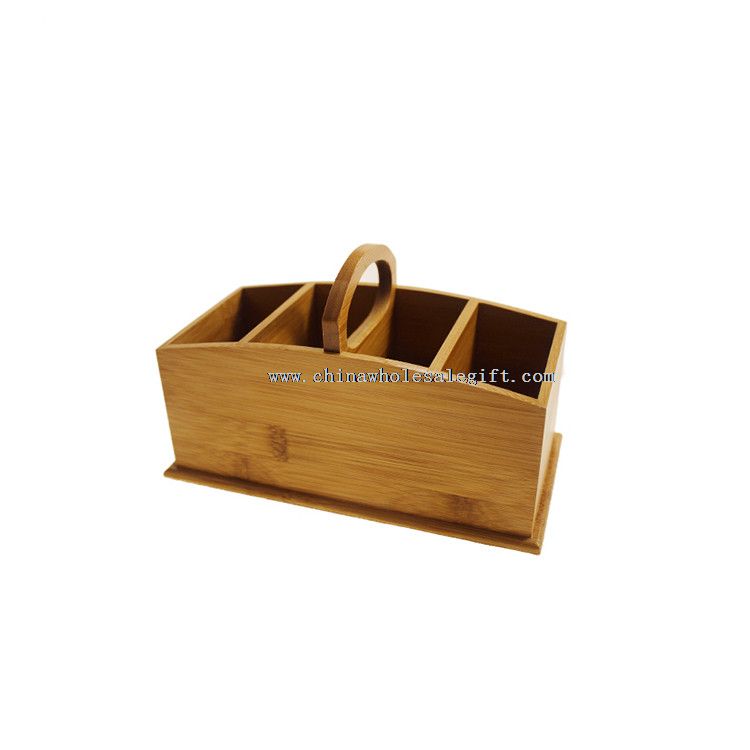
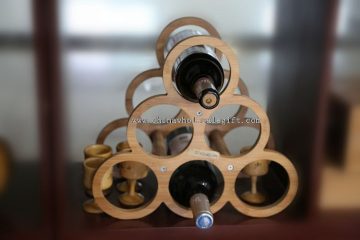
Wine holder
A wine holder earns its place on the table between the uncorking and the last pour, cradling the bottle at an angle that keeps the label facing out and the contents steady. This small kitchenware family covers countertop and tabletop formats built for steady, repeated use. The shelf spans a narrow, focused range at a low-to-mid price band, with two direct lines and no deeper subcategories behind them.
Construction follows a simple logic: a base broad enough to resist a tip, a cradle shaped to the curve of a standard bottle, and a finish that wipes clean after a spill. The nearby bamboo wine rack and the bamboo sauce wine bottle holder share the same natural material story, and bamboo appears across this shelf as a practical, lightweight choice. Buyers should confirm bottle diameter fit before committing to volume.
Distributors and promotional suppliers pick up holders as low-risk add-ons to kitchenware assortments, often pairing them with the apron, table cloth, or tray and basket lines already on order. For the end user, the appeal is tabletop convenience: a bottle stays put during a dinner, a tasting, or a quiet evening, and the holder doubles as a visual centerpiece on a countertop or sideboard.
Practical sourcing checks matter more than styling. Wholesale buyers should ask for the cradle width and confirm it accommodates the bottle shapes their market sells, inspect the base for stability on a smooth surface, and review the finish for water resistance. Weight and packed volume drive freight cost, so request dimensions per unit and per carton before setting quantities.
Display matters for both audiences. A holder reads best when shown holding a bottle, so retail and catalog photography should include that context, with packaging stout enough to survive shipping and keep the cradle shape intact. The category sits naturally beside cutting board, knife, and kitchen gadget displays, where a shopper assembling a serving setup will notice it.
2 products