Wood Coaster
A wood coaster sits under a sweating glass and quietly takes the damage a tabletop should not. This shelf gathers the natural-timber end of drink protection, where a saucer of solid wood absorbs condensation and grips the base of a tumbler, mug, or bottle. It belongs to the broader family of cup mats, and it stands apart from the synthetic alternatives through grain, weight, and finish.
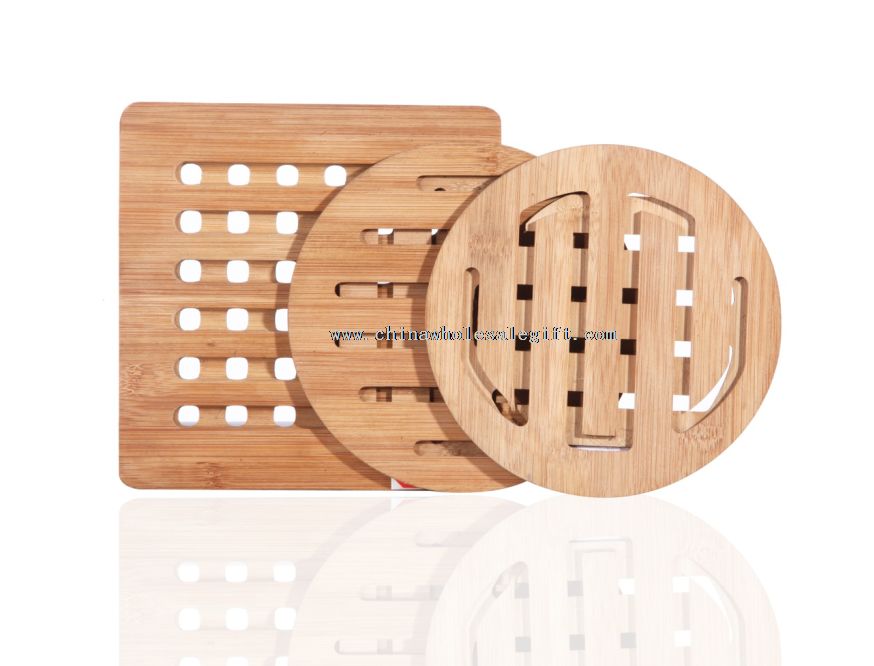
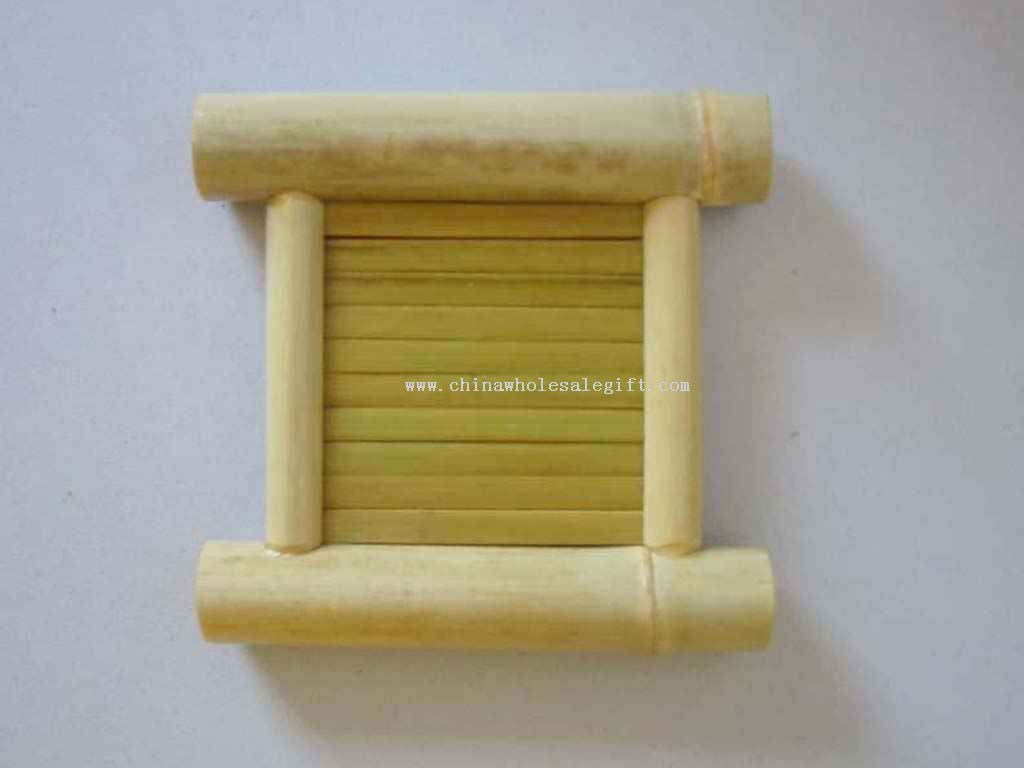
Construction follows a simple pattern: a disc or square cut from solid stock, sanded smooth, and sealed on both faces so moisture beads rather than soaks in. The build favors flat bottoms that rest steady on desks and dining tables. Buyers comparing this shelf also browse a cup pad and a bamboo solid coaster, since the trio covers absorbent, natural-looking surfaces for hospitality and home use.
Promotional suppliers and importers stock wood coasters because they suit logo work, gift sets, and corporate giveaways, while distributors move them in mixed cartons alongside the neighboring pvc coaster, cork coaster, and mdf coaster lines. End users are café owners, office managers, and households protecting varnished furniture. A single coaster often travels home as a small souvenir, which keeps repeat demand steady across retail channels.
Practical sourcing checks start with moisture behavior: confirm the finish on both faces and ask how the edge is treated, since a sealed rim resists swelling better than a raw one. Inspect thickness and diameter tolerance so stacked sets sit flush, and verify that the grain direction and color match across a run. Buyers also weigh cork-backed bases, laser or print options, and packaging that survives transit.
Range this natural option against leather, silicone, and glass coasters to see where each fits a collection. Wood earns its place through warmth and texture, and the finish determines whether it stays crisp after daily use or dulls within a season. Order samples, cup them with a wet tumbler, and judge the surface after an hour before committing to volume.
2 products