Card Reader
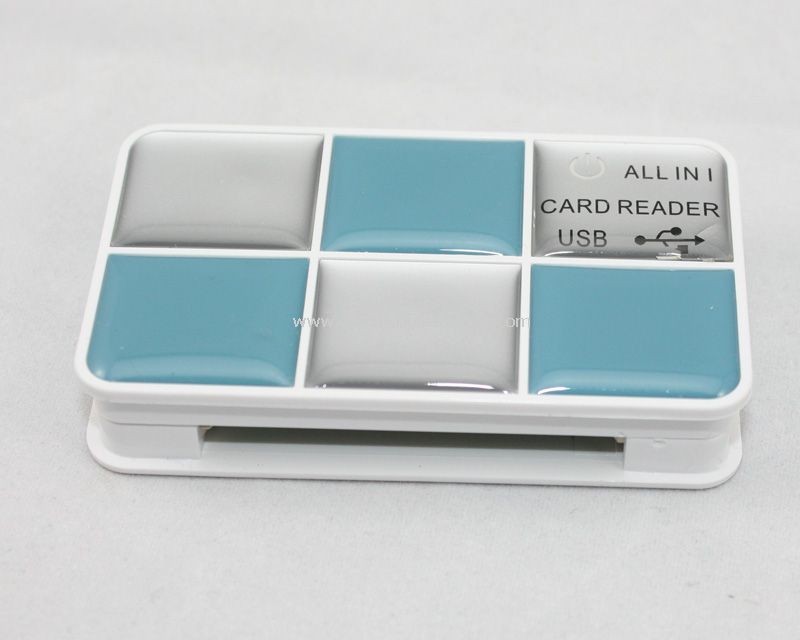
A card reader sits between a memory card and a computer, turning raw flash storage into files a user can open, copy, or archive. The shelf gathers everything from a slim USB card reader that travels in a laptop bag to an internal card reader mounted in a desktop bay. Buyers browsing this category usually know the card format they own and want the matching slot.
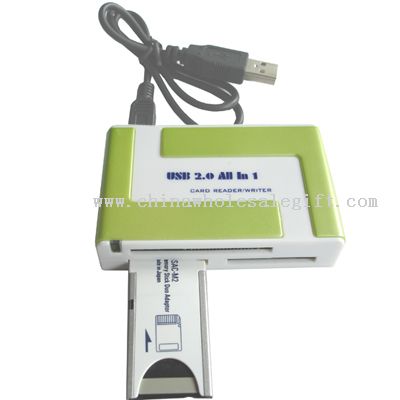
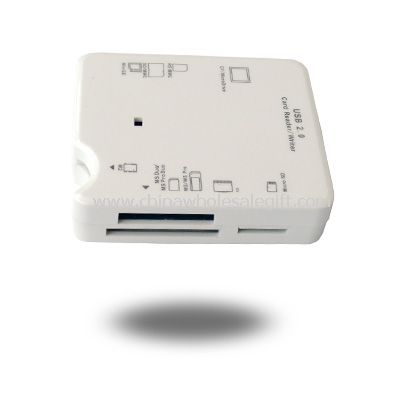
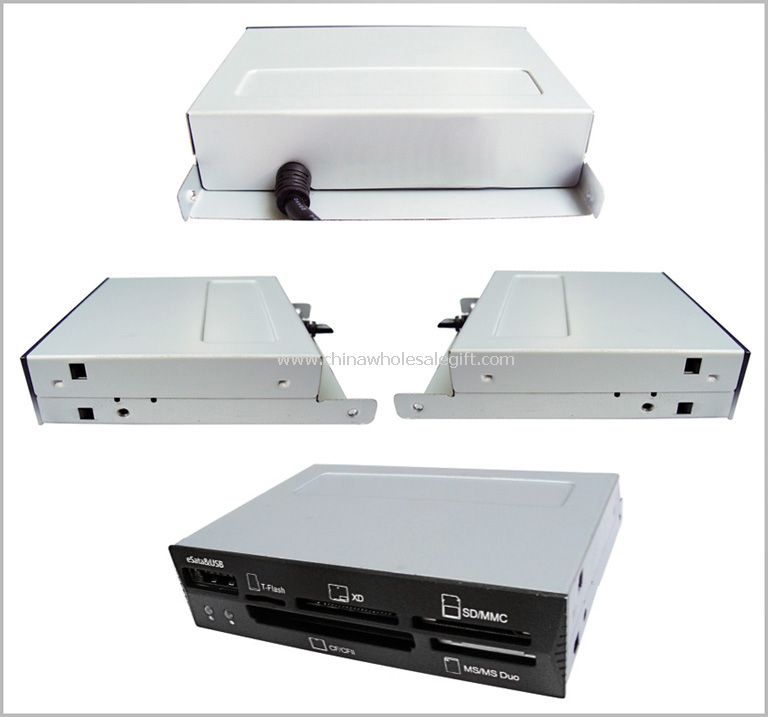
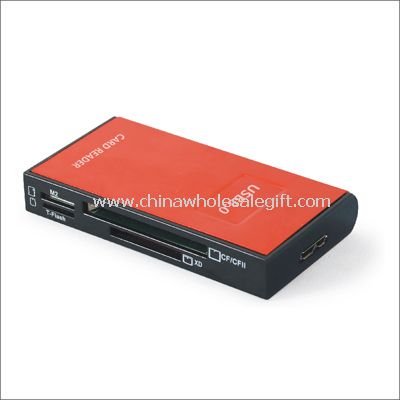
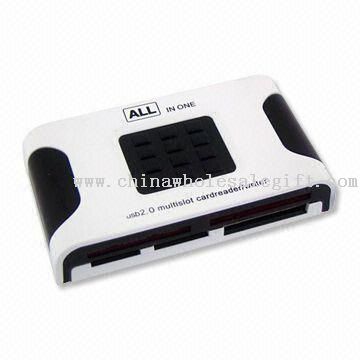
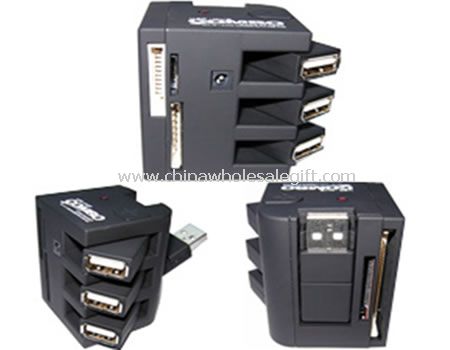
Construction is straightforward: a controller chip, a slot or several slots, and an interface cable or plug. Internal card reader units fit a drive bay and connect to a motherboard header, while portable versions draw power over the same connection. Multi-slot models accept SD, MMC, and the smaller Micro SD/T-Flash card/mini SD card formats through stacked openings.
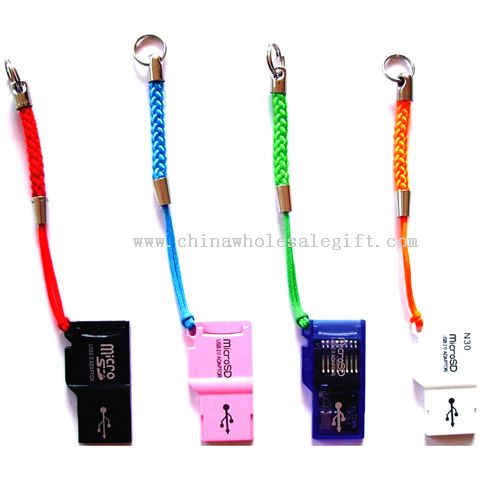
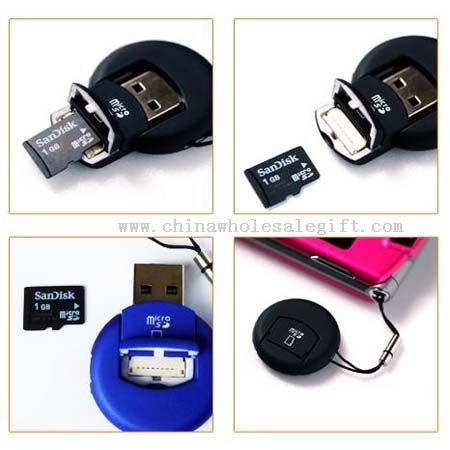
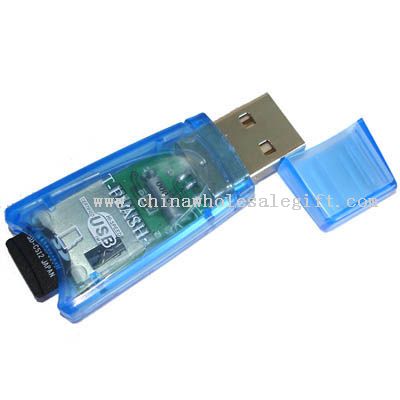
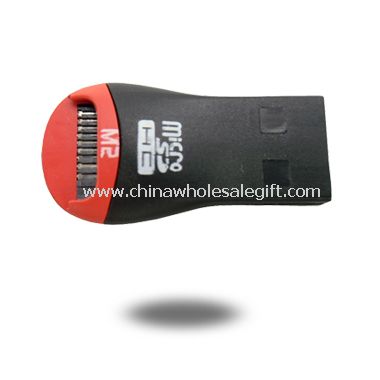
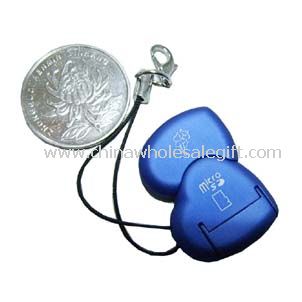
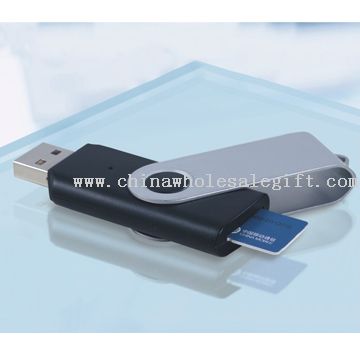
The range splits across dedicated types. An SD MMC card reader handles the full-size SD and MMC family, a T Flash micro SD card reader serves the tiny cards found in phones and action cameras, and a SIM card reader reads subscriber chips. A TV card reader, an xD card reader, a mini card reader, and a USB card reader round out the selection.
Promotional suppliers favor compact readers as giveaway items because they pair naturally with branded flash drives; distributors stock the internal and multi-format versions for system builders and repair shops. End users are photographers offloading shots, phone owners moving files, and office staff transferring documents between machines. Each group cares about fit, speed, and whether the slot matches the card in hand.
Practical sourcing checks start with slot count and format coverage, then the interface and cable length, since a short pigtail limits desktop use. Confirm the housing material and whether a cap or dust cover protects the opening. Buyers comparing samples should test transfer of large files, check that cards seat firmly, and verify the reader appears reliably across operating systems before committing to a volume order.
15 products
Subcategories
Featured Products
Popular Products