Scarves
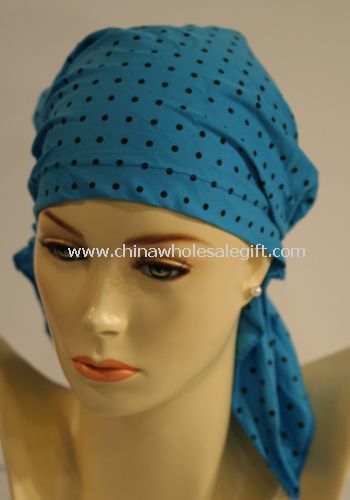
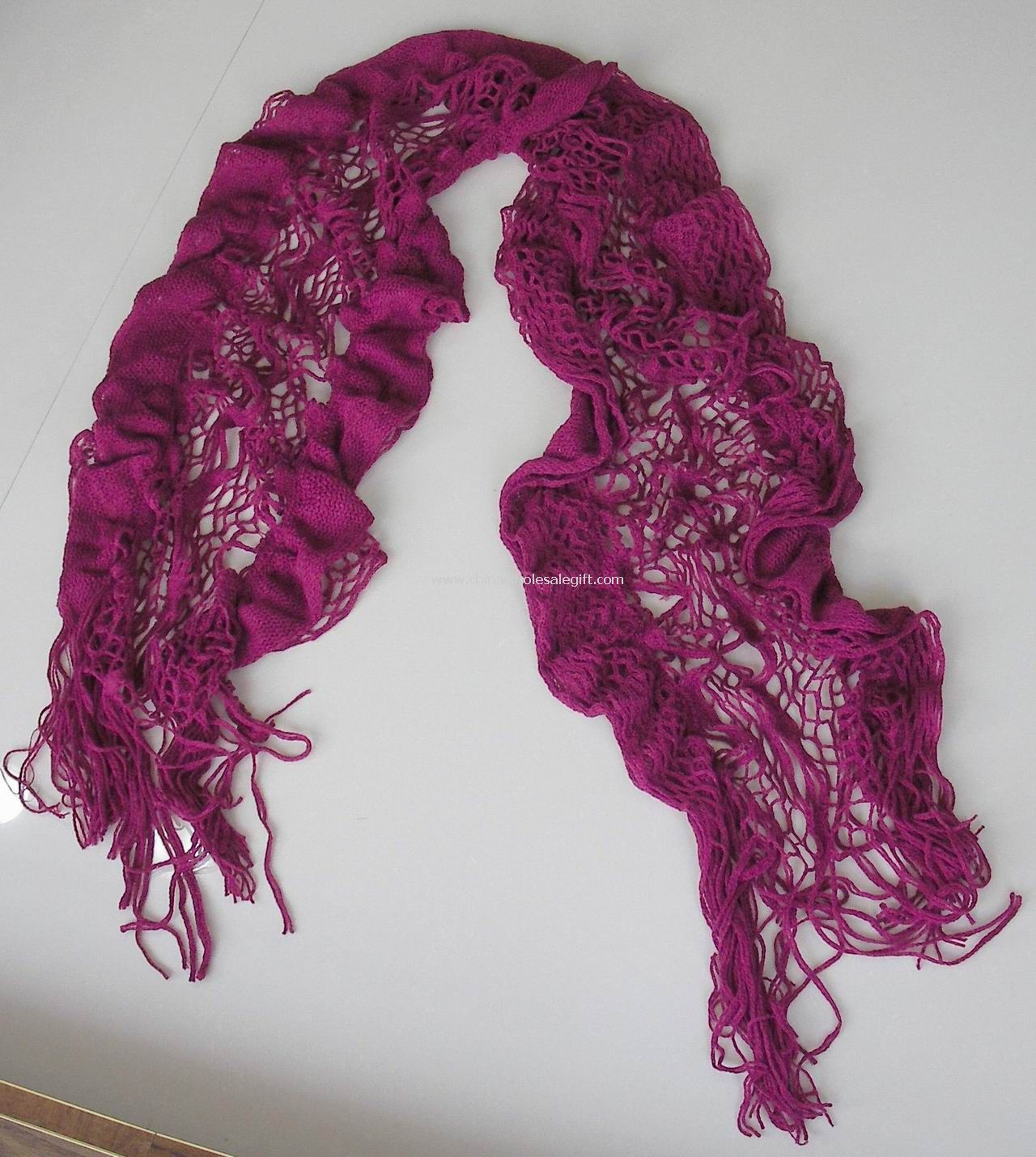
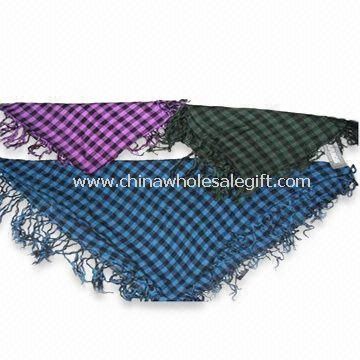
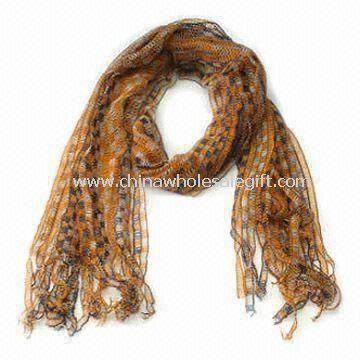
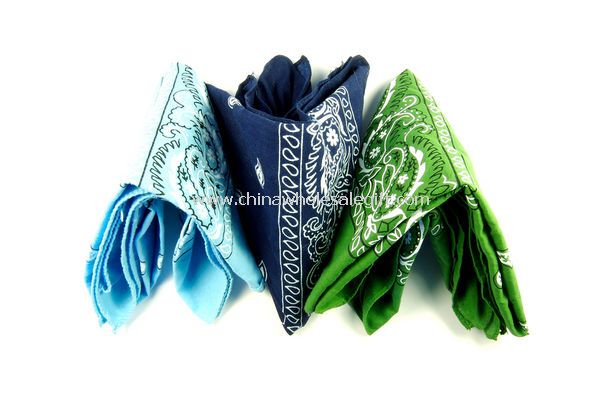
Scarves fill a clothing catalog shelf that runs from plain wool staples to printed silk accent pieces, with head scarves, hijab scarves, and long wraps sharing space alongside knitted and cashmere options. The assortment spans square, medium, short, and long cuts, so a single order can cover winter warmth, modest dress, and lightweight decoration for promotional programs.
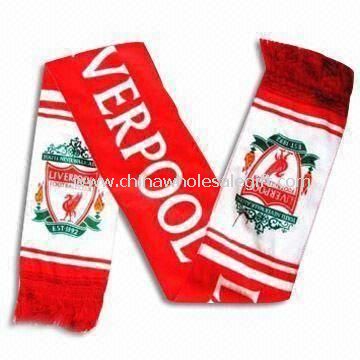
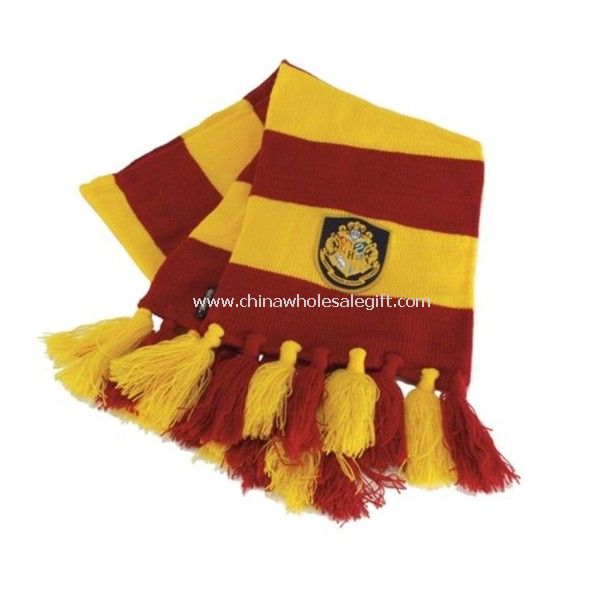
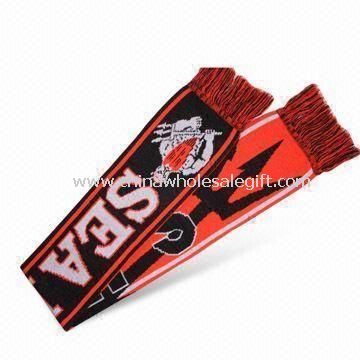
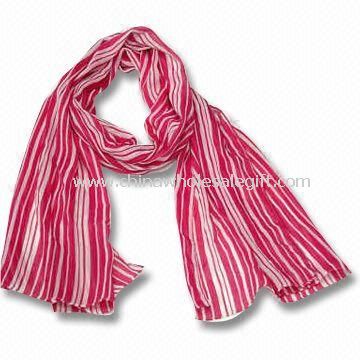
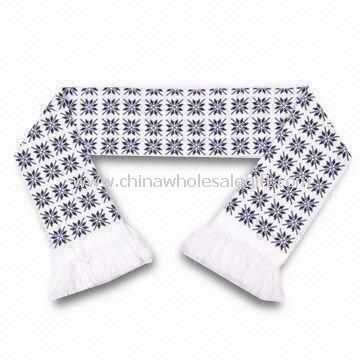
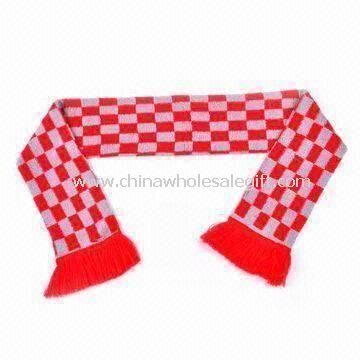
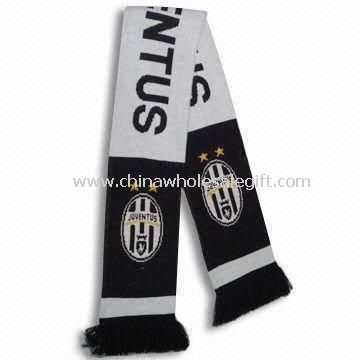
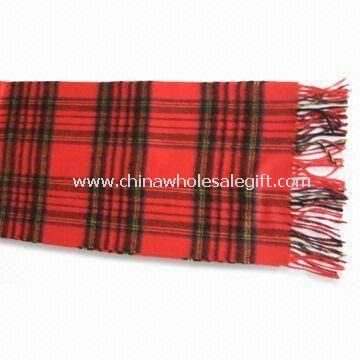
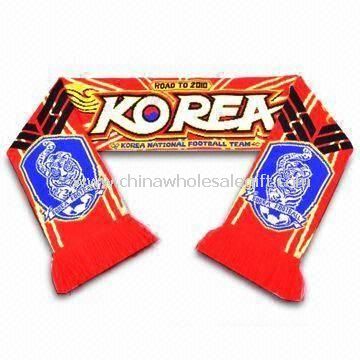
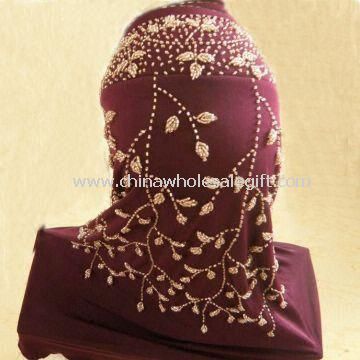
Construction varies by sub-category: cotton and yarn dyed scarves favor everyday washing and repeat wear, jacquard and embroidered styles add surface texture, and tie dyeing and printed versions carry bold pattern. Silk scarves with tassels and imitated silk with head designs sit at the dressier end, while fur and football scarves answer seasonal and supporter demand.
Buyers sourcing this shelf should confirm fiber content, finished dimensions, and colorfastness before committing. Check whether plain dyed and plain scarves are cut to consistent lengths, inspect fringing and hem stitching on tasseled styles, and review dye lots across repeat orders. For hijab and head scarves, ask about opacity and drape, since lightweight weaves behave differently once worn.
End users meet these pieces in several settings: commuters wrapping a knit scarf against cold, supporters wearing football scarves at matches, and shoppers choosing a silk square for layering over a jacket. Promotional suppliers value the blank canvas of plain scarves for logo work, while retailers pair fashion scarf lines with apparel accessories for add-on sales.
Merchandising works best when the shelf is organized by weight and use rather than by fabric alone. Group cold-weather knits and cashmere with outerwear, place printed and tie dyeing styles near leisure wear, and keep modest head scarves close to children garment and nightwear lines for family shoppers. Clear labeling of fiber and care keeps returns low.
15 products