USB SATA
Bridging hardware between USB and the drive interfaces is what this category collects, covering both quick-use adapters and docking stations that turn a bare drive into a desktop appliance. Housed in the same branch as the enclosures, it serves technicians, refurbishers, and anyone who handles drives by the dozen.
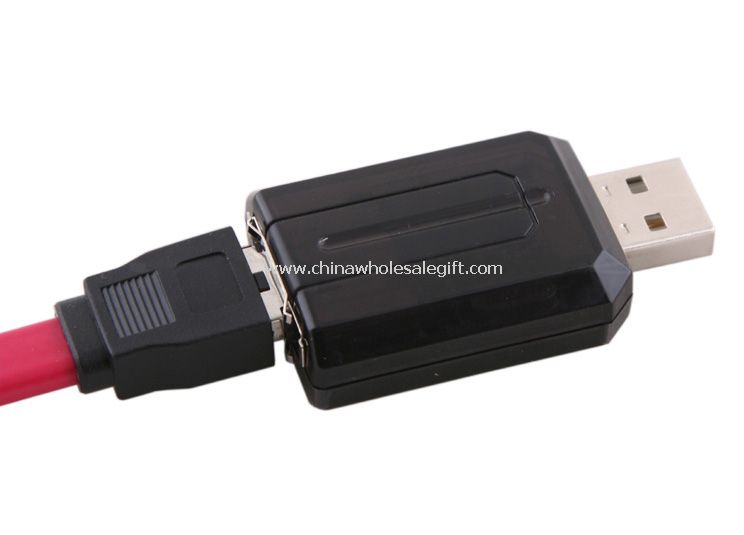
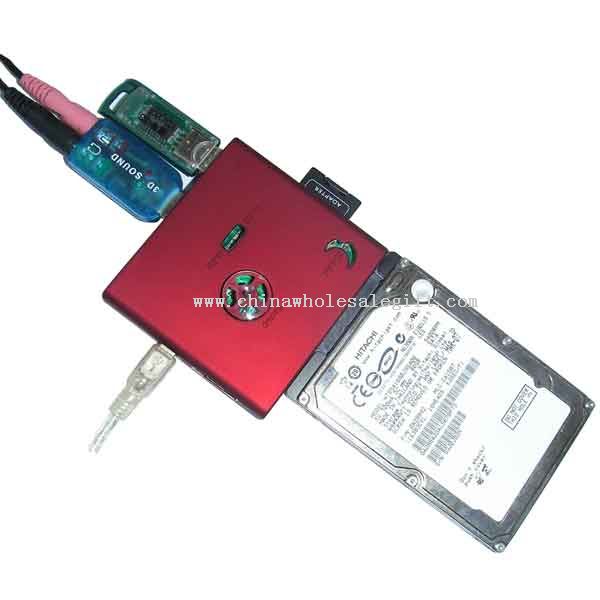
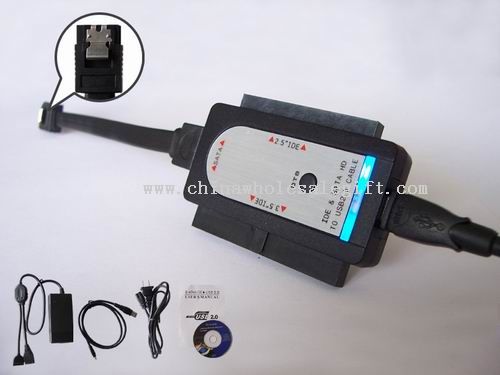
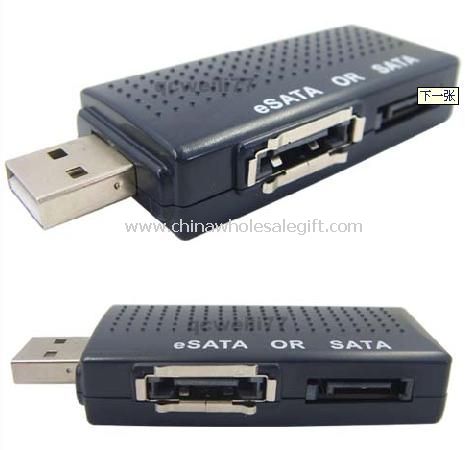
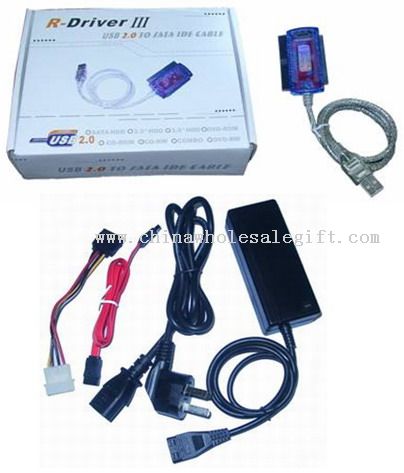
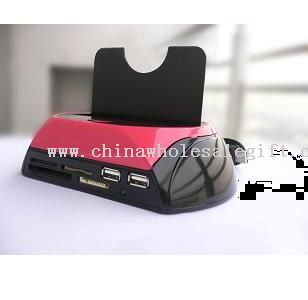
Two product shapes share the listings. Adapter leads are short bridges with a drive connector on one end and a USB plug on the other, sometimes with a power lead for drives that need more current than the port supplies. Docking stations accept a drive dropped into a slot, presenting it to the computer the moment it seats.
Interface coverage is the defining feature. Adapters handle the current serial ATA standard, the older parallel standard, and combinations that accept both, with external variants in the mix. This breadth matters because the drives that arrive on a technician's bench span every generation.
This is working hardware rather than consumer stock. Data recovery services, refurbishment workshops, and IT departments that re-image machines use these bridges daily. For them the docking station earns its keep by saving screws, and the short adapter earns its keep by fitting in a repair kit.
Start with the drive generations the buyer's customers actually bring in, since stocking an interface nobody uses wastes shelf space. Power delivery is the second filter: drives that need external power behave badly on bus power alone, and a station with its own supply avoids the problem.
Many buyers move the same drives between a bridge for quick access and a housing for permanent external use, which ties this shelf to the enclosures next to it.
6 products