RESIDENTIAL DETECTOR
A residential detector is the small device mounted near a ceiling or doorway that turns an invisible hazard into a warning a household can act on. This shelf gathers the whole family, from gas alarm units and smoke alarm models to heat alarm and carbon monoxide detector designs, so a buyer can build a rounded safety offer instead of a single item.
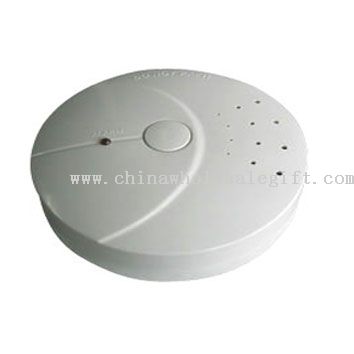
Build differs across the range. Optical smoke units rely on a sensing chamber, heat alarm versions track a rapid temperature rise, and gas alarm models respond to combustible or toxic vapor. Passive infrared detector units read body heat for movement, while door window alarm contacts break a circuit when a frame opens. Each type suits a different room and risk.
Buyers assembling a wholesale program should compare sensing method, alarm loudness, power source, and mounting hardware across the gas detection solutions and household gas alarm lines on this shelf. Confirm whether a unit runs on batteries or mains current, check the test and silence controls, and ask how the alarm resets after activation. Spare sensors and clear fitting instructions matter for distributors.
End users want simple answers: a loud signal, a visible indicator, and a unit that fits the room it protects. Kitchen and utility areas favor a gas monitor with a level indicator, hallways favor smoke sensing, and bedrooms suit a carbon monoxide detector. Poolside and family homes may add anti drowning alarms and personal alarm pendants for children.
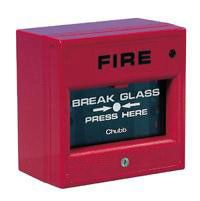
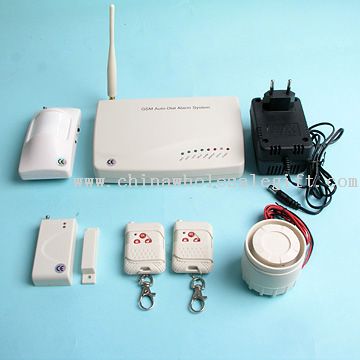
Merchandising works best when the range reads as tiers rather than a list. Group entry smoke and heat units, mid-range carbon monoxide and wireless alarm system kits, then specialty items such as fire call points and swimming pool alarms. Stock a hot wire type sensor gas alarm alongside everyday models so trade customers can scale a program from a starter pack to full coverage.
15 products
Subcategories
Featured Products
Popular Products